Future games from the Stellaris developer will be easier to mod

"Modders always ask us why we do not give them the tools we use for the games, but we do not have them, people are the tool, that's the biggest thing we change, so we have two tool engineers in our team and we're hiring two more, and half of our team will be building tools in the future.Modders should be able to create fantastic user interfaces without editing any code in the game. I think it depends: we want to give the people who produce content as much power as possible. You should not ask a programmer for help. "
"In a shooter, in a boss fight, you know that this is the hardest thing there is, there are five bad guys, two bosses and all those bullets that fly around, and you can just keep testing that until it works In a strategy game, there are an infinite number of endgame states, so you choose the states you want to tweak yourself. "

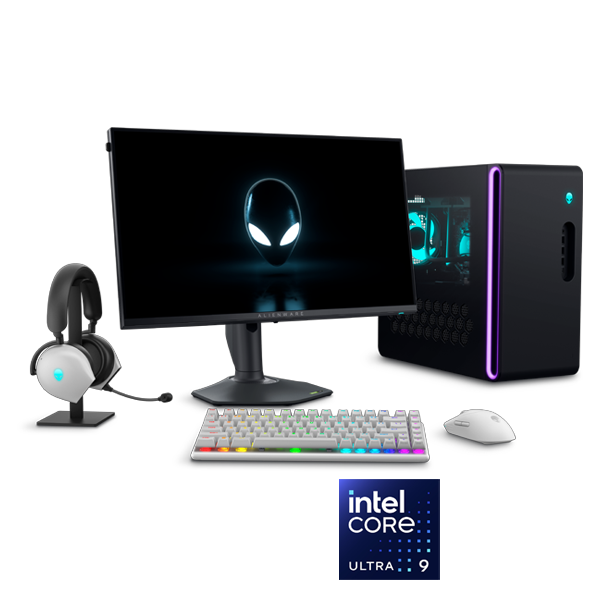

Alienware and Pascal Siakam Bring Gaming Access to PS43 Foundation Youth
Pascal Siakam and PS43 Foundation Youth Compete in EA SPORTS FC 26 1v1 Matches

Time-travel RPG Reverse: 1999’s 3rd Anniversary update launches August 13 with Version 3.7 “On Another’s Sorrow”
Three new characters, abundant rewards, and massive new gameplay updates coming soon

Next Fest Review: Mistfall Hunters
The extraction genre is picking up in popularity. Can Mistfall Hunters make its mark?

Alienware Takes On Ludwig’s Streamer Games 2026
Alienware is an official partner of Ludwig’s Streamer Games 2026

Season Zero Has Begun: Introducing the Alienware Arena Battle Pass
A new way to earn rewards has arrived on Alienware Arena. The Battle Pass is a seasonal progression system that rewards you for being an active member of the community. Earn ARP, unlock milestones, collect Battle Tokens, and redeem rewards throughout each season.

Mistfall Hunter Is Now Available Across All Platforms!
Mistfall Hunter Is Now Available Across All Platforms!